
Care Guidance
Daily Care
Understanding what day-to-day care actually involves
Providing care is often described in simple terms. In reality, it is made up of constant decisions, small adjustments, and a level of responsibility that is difficult to explain until you are in it.
There is no fixed routine that works for everyone. What matters is understanding what needs attention, what can wait, and how to give the day some structure when it would otherwise feel uncertain.
The daily rhythm
Routine gives shape to care, not control. Morning, midday, evening — and what happens when it breaks down.
What to watch for
Small changes in behaviour, mood, and physical condition. Patterns matter more than individual moments.
Staying manageable
Focus on what matters today. The rest can wait.
Daily Care · In Practice
1. What daily care really means
Daily care is not just a list of tasks.
It is noticing changes, responding to needs as they arise, and making decisions throughout the day — often without being told what the right decision is. It also means managing risk, sometimes quietly, without turning everything into a problem.
Some days will feel manageable. Others will not. That is part of it.
Daily care is often made up of small repeated things: washing, meals, medication, movement, reassurance, reminders, cleaning, checking, listening, adjusting. On their own, these things may not look like much. Together, they are the structure that holds the day together.
What can help
- keep the day as simple as possible
- focus on what needs attention now
- try to notice patterns rather than isolated moments
- write down changes that keep repeating
- keep essential items in familiar places
- allow extra time where possible
- accept that some days will not follow the plan
When to make a note. Make a note if something changes suddenly, keeps happening, feels unsafe, or affects comfort, dignity, food, medication, mobility, mood or sleep.
2. Building a simple routine
A routine does not need to be strict. It just needs to give the day a sense of shape.
Most care situations naturally settle into a rhythm — morning, midday, evening. That rhythm may change over time, but having some consistency makes things easier to manage.
It is not about getting everything right. It is about having something to return to.
A simple routine can also reduce pressure. When the same things happen in roughly the same order, there is less to remember and fewer decisions to make in the moment.
What can help
- divide the day into morning, afternoon and evening
- keep medication, meals, drinks and personal care linked to familiar times
- prepare things before they are needed
- keep a short daily list rather than trying to remember everything
- build in rest, quiet time or slower moments
- allow the routine to change as needs change
- do not make the routine so rigid that it becomes another source of stress
When to make a note. Make a note if the usual routine starts to become difficult, if tasks are taking much longer, or if the person is struggling with parts of the day that were previously manageable.
3. Personal care
Personal care includes washing, dressing and continence support.
These are often the most sensitive parts of care, and sometimes the most physically and emotionally demanding. They can also be the moments where dignity is either preserved or lost.
Small things matter — privacy, tone, patience, allowing time. Even when the task itself is routine, the way it is done makes a difference. Cleanliness matters too, not as a separate concern, but as part of dignity and safety.
Personal care can also reveal changes that might otherwise be missed: bruising, soreness, skin changes, swelling, pain, continence changes, fatigue, confusion, distress or reduced mobility.
What can help
- prepare towels, clothes, wipes, pads, creams or toiletries before you start
- keep the room warm and private
- explain what you are doing, even if it feels obvious
- offer choices where possible
- give the person time to do what they can for themselves
- avoid rushing
- watch for discomfort, embarrassment, pain or distress
- keep personal care products clean and separate where needed
When to make a note. Make a note if washing, dressing, continence, skin condition, cooperation, pain, odour, bleeding, bruising, pressure areas or dignity concerns change.
4. Hygiene and sanitising
Clean care is part of safe care.
This does not mean turning the home into a clinical space. It means reducing avoidable risk, especially when care involves washing, continence support, food, medication, laundry, shared surfaces or equipment.
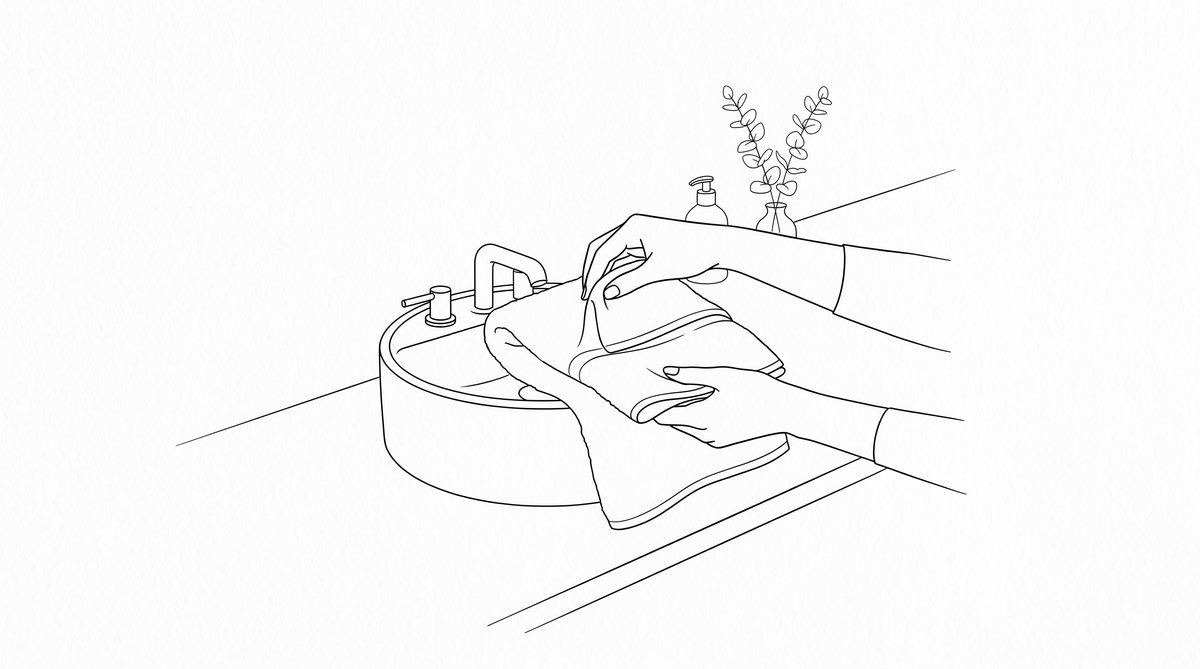
Small habits make a difference — washing hands before and after care, keeping personal care items separate, wiping surfaces that are touched often, and cleaning equipment such as commodes, toilet frames, walking aids, bedside tables, trays or handles.
Hand sanitiser can be useful, but it does not replace proper handwashing when hands are visibly dirty or after personal care. Gloves can help in some situations, but they are not a substitute for clean hands.
Cleaning and sanitising are not quite the same thing. Cleaning removes dirt, fluids and many germs. Sanitising or disinfecting reduces germs further. In most situations, things need to be cleaned first so that sanitising products can work properly.
Poor hygiene can quickly affect dignity, comfort and health.
What can help
- wash hands before and after care
- wash hands before preparing food, drinks or medication
- use gloves where appropriate, especially for continence care, body fluids, waste or cleaning
- wash hands after removing gloves
- clean high-touch surfaces regularly
- keep towels, flannels, continence items and personal care products separate where needed
- clean commodes, toilet frames, walking aids and care equipment regularly
- be extra careful during sickness, diarrhoea, infections, wounds or reduced immunity
When to make a note. Make a note if hygiene is repeatedly missed, equipment is left dirty, waste is handled unsafely, surfaces are unclean, or anyone involved in care repeatedly fails to use basic hygiene. It may seem small at the time, but repeated small things can become a pattern.
5. Medication and timing
Medication quickly becomes part of the daily rhythm.
It helps to keep things simple. Know what is being taken, when it is due, and what it is for. Where possible, write it down rather than relying on memory.
If something changes — behaviour, side effects, how someone responds — make a note of it. Patterns are often easier to see in hindsight than in the moment.
Medication can become difficult when there are several tablets, changing doses, new prescriptions, missed doses, side effects or uncertainty about timing. It is better to ask for clarity than guess.
What can help
- keep an up-to-date medication list
- note what each medication is for, if known
- use a medication chart, diary or dosette box if appropriate
- keep medication in one safe place
- check timing instructions carefully
- ask the GP, pharmacist or nurse if anything is unclear
- record missed doses or refused medication
- watch for side effects after new or changed medication
When to make a note. Make a note if medication is missed, refused, taken late, causes possible side effects, seems less effective, or if behaviour, sleep, appetite, confusion, falls or pain changes after a medication change.
6. Food and hydration
Appetite and eating habits often change, sometimes gradually.
You may notice smaller portions, changes in taste, or a reluctance to eat at certain times. Hydration can also become an issue without it being obvious.
Food is not just about nutrition. It is part of routine, comfort and familiarity. Keeping that sense of familiarity can matter just as much as what is on the plate.
There may be days when the aim is not a perfect diet. It may simply be enough food, enough fluid, and something the person will accept.
What can help
- offer smaller portions if large meals feel overwhelming
- keep drinks visible and within reach
- use familiar foods where possible
- notice if swallowing, chewing or holding cutlery becomes harder
- consider softer foods if eating becomes tiring
- watch for coughing, choking, nausea or sudden changes in appetite
- keep a simple note of food and fluid intake if there are concerns
- ask for professional advice if weight loss, dehydration or swallowing problems are suspected
When to make a note. Make a note if appetite drops, fluid intake reduces, swallowing changes, coughing during meals increases, weight changes, food is refused, or the person becomes more tired, confused or weak.
7. Movement and positioning
Even small amounts of movement matter.
This might involve helping someone stand, walk, transfer, or simply adjust their position throughout the day. As mobility changes, the focus often shifts from independence to safety and comfort.
Avoid rushing. Take time where possible. Most problems happen when things are hurried.
Movement is not only about walking. It can also mean sitting comfortably, changing position, reducing stiffness, preventing pressure, and helping the person feel secure.
What can help
- clear the space before helping someone move
- make sure shoes, slippers or socks are safe
- check that walking aids are nearby and in good condition
- encourage slow movements rather than sudden standing
- allow time between sitting and standing
- watch for dizziness, weakness or pain
- adjust cushions, chairs or bedding for comfort
- ask for professional advice if transfers become unsafe
When to make a note. Make a note if there are falls, near misses, increased unsteadiness, dizziness, pain, stiffness, difficulty standing, difficulty getting in or out of bed or a chair, or new fear around moving.
8. Watching for changes
One of the most important parts of daily care is noticing what changes.
This can include behaviour, mood, physical condition, appetite, mobility, continence or sleep. Most changes are subtle at first. They rarely present themselves clearly.
Patterns matter more than individual moments. What seems small on one day can become more meaningful when it repeats.
Carers often notice changes before anyone else does, because they see the small details of the day. That does not mean every change is serious, but it does mean those observations matter.
What can help
- write down changes as soon as possible
- include the date and time
- describe what happened plainly
- avoid trying to diagnose the problem yourself
- look for patterns over several days
- mention changes to the GP, nurse or relevant professional if they continue
- trust repeated observations, even if each single moment seems small
When to make a note. Make a note if you notice changes in confusion, mood, sleep, pain, appetite, mobility, continence, breathing, skin, medication response, communication, behaviour or general appearance.
9. When things don’t go to plan
There will be days where nothing follows a routine.
Things take longer, plans change, or something unexpected happens. That does not mean anything has gone wrong.
Care is not something you control. It is something you respond to.
A difficult day does not mean you have failed. It may mean the person’s needs changed, their energy changed, your own energy changed, or the day simply became harder than expected.
What can help
- decide what really needs doing today
- leave non-urgent tasks where possible
- simplify meals, cleaning or routines if needed
- pause before reacting to pressure
- ask for help if something feels unsafe
- record what happened if it may matter later
- restart the routine gently when you can
When to make a note. Make a note if disruption is caused by illness, distress, pain, confusion, missed medication, falls, unsafe behaviour, outside interference, missed visits, or repeated breakdowns in support.
10. Keeping it manageable
You do not need to do everything perfectly.
Focus on what matters today, what needs attention now, and what can wait. Trying to manage everything at once usually makes things harder.
Over time, you will find a way of working that fits your situation. It may not look like anyone else’s, and that is fine.
Care often becomes overwhelming when every task feels equally urgent. They are not all equal. Some things are essential. Some can wait. Some can be simplified. Some do not need to be done today.
What can help
- choose the most important tasks for the day
- separate urgent things from things that can wait
- keep a short list rather than a long one
- prepare repeat items in advance
- use notes, reminders or alarms if helpful
- accept “good enough” where safe
- build in small pauses for yourself
When to make a note. Make a note if the daily workload becomes unmanageable, if you are regularly unable to complete essential care tasks, or if lack of support is affecting safety, dignity or your own wellbeing.
11. A note on pressure
Daily care can feel relentless.
It is not just the physical tasks — it is the responsibility behind them. The need to notice, decide and act, often without reassurance that you are doing the right thing.
Recognising that pressure matters. Ignoring it does not make it go away.
Many carers carry the day in their head before it even begins: medication, meals, appointments, moods, risks, laundry, phone calls, family messages, professionals, money, forms, sleep. It is a lot to hold.
You are allowed to find it hard.
What can help
- write things down instead of carrying everything in your head
- keep one place for notes, appointments and concerns
- ask professionals to put important advice in writing
- take breaks where possible, even short ones
- tell someone if the pressure is becoming too much
- seek support before you reach crisis point
- remember that needing help does not mean you are failing
When to make a note. Make a note if caring is affecting your sleep, health, work, finances, relationships, mood or ability to cope. This matters too.
12. What comes next
If you want more specific guidance, the next sections cover this in more detail.
Each builds on what you are already doing day to day.