
Care Guidance
End-of-Life Care
Understanding what changes — and how to support someone through it
End-of-life care is not always clearly defined. It does not begin at a precise moment, and it does not follow a fixed pattern.
In many cases, it becomes clear gradually — through changes in health, behaviour, and overall condition.
Recognising the signs
Shifts in energy, appetite, and awareness often signal the start of this stage.
Comfort over routine
Care at this stage responds to what is happening, not a fixed schedule.
Support is available
You are not expected to manage end-of-life care alone.
1. Recognising the shift
The shift towards end-of-life care is often subtle at first.
You might notice increased fatigue, reduced appetite, more time spent sleeping, or a general pulling back from things. These changes do not always arrive together.
Over time, they tend to form a clearer picture.
This can be difficult to recognise while it is happening. Changes may look like ordinary tiredness at first, or like a temporary dip. It is often only when several things begin to change together that the situation feels different.
End-of-life care is not about giving up. It is about recognising when comfort, dignity and calm need to become the priority.
What can help
- notice changes in energy, appetite, sleep and awareness
- look for patterns rather than one isolated sign
- keep the person’s comfort at the centre
- ask professionals what changes may mean
- write down what you are noticing
- avoid blaming yourself for not recognising things sooner
- allow the focus of care to change
- seek support if you feel unsure
When to make a note. Make a note if the person is sleeping much more, eating or drinking much less, becoming weaker, less responsive, more withdrawn, or if their needs begin to change quickly.
2. Changes in energy and awareness
Energy usually decreases — gradually, then more noticeably.
Someone may spend more time resting or sleeping, and be less responsive at certain points in the day. Moments of clarity can still happen. They may just become shorter, or less frequent.
This can be emotionally difficult. A person may seem present one moment and distant the next. They may still hear, feel reassured, or respond to your presence even when they are not speaking much.
Try not to measure everything by how alert they seem. Rest can become part of the body’s natural slowing down.
What can help
- allow more rest
- keep the environment calm
- speak gently, even if the person does not respond
- avoid forcing conversation
- notice when they seem most settled or alert
- keep visitors calm and brief if the person tires easily
- ask professionals if changes in awareness are sudden or distressing
- remember that quiet presence still matters
When to make a note. Make a note if the person becomes much less responsive, unusually agitated, very difficult to wake, suddenly confused, or if awareness changes quickly.
3. Eating and drinking
Food and hydration often change significantly, and it can catch you off guard.
Appetite may reduce or stop altogether. When eating has been a focus of care, that shift can be hard to accept.
At this stage, comfort tends to matter more than intake.
This does not mean food and drink no longer matter. It means the aim may change. Small sips, mouth care, favourite tastes, or simply keeping the mouth comfortable may become more important than meals.
For carers, this can be one of the hardest changes. Offering food often feels like care. When food is no longer wanted, it can feel as though something essential has been taken away.
What can help
- offer small amounts rather than full meals
- avoid forcing food or drink
- follow professional advice if swallowing becomes difficult
- keep the mouth and lips comfortable
- offer favourite tastes if safe and wanted
- use a calm tone around food and drink
- ask nurses or palliative care staff what is appropriate
- remember that reduced intake can be part of the dying process
When to make a note. Make a note if swallowing changes, coughing occurs with food or drink, the person refuses all intake, mouth care becomes difficult, or you are unsure what is safe to offer.
4. Physical changes
Physical changes vary — there is no fixed sequence.
There may be weakness, changes in breathing, reduced mobility, changes in skin colour, cooler hands or feet, changes in continence, restlessness, or longer periods of sleep.
Not all of these will be present, and they may come in any order. What matters is recognising that the body may be slowing down.
Some changes can be unsettling to see, especially changes in breathing, alertness, skin colour or movement. If you are unsure whether something is expected or distressing, ask a nurse, GP, hospice team or out-of-hours service for advice.
What can help
- keep the person comfortable and supported
- watch for signs of pain, distress or restlessness
- keep bedding and clothing comfortable
- avoid unnecessary movement if it causes discomfort
- check skin gently during care
- ask professionals what changes to expect
- keep important contact numbers nearby
- seek urgent advice if symptoms seem severe, sudden or distressing
When to make a note. Make a note if breathing changes, pain seems worse, restlessness increases, skin condition changes, the person becomes much weaker, or symptoms are difficult to manage.
5. Comfort and positioning
Comfort becomes the priority.
Small adjustments can help — shifting position, making sure the person is well supported, removing anything that causes discomfort. These are not dramatic gestures. They add up.
Comfort can include pain relief, warmth, mouth care, clean bedding, gentle washing, a calm room, a familiar voice, soft lighting, or simply not being rushed.
The person may not always be able to say what feels uncomfortable. You may need to watch for small signs: grimacing, restlessness, tension, changes in breathing, pulling at clothes or bedding, or becoming unsettled during care.
What can help
- adjust pillows and bedding for support
- keep the person warm but not overheated
- check for pressure areas if appropriate
- keep the mouth and lips comfortable
- reduce noise, clutter and unnecessary disturbance
- move slowly during personal care
- ask nurses about positioning if movement is difficult
- report signs of pain or distress promptly
When to make a note. Make a note if the person seems uncomfortable, restless, in pain, unsettled during movement, or if you are struggling to keep them comfortable.
6. Communication
Communication often changes — sometimes gradually, sometimes quickly.
Some people speak less. Others find different ways to communicate, through expression, movement, breathing, touch or brief responses.
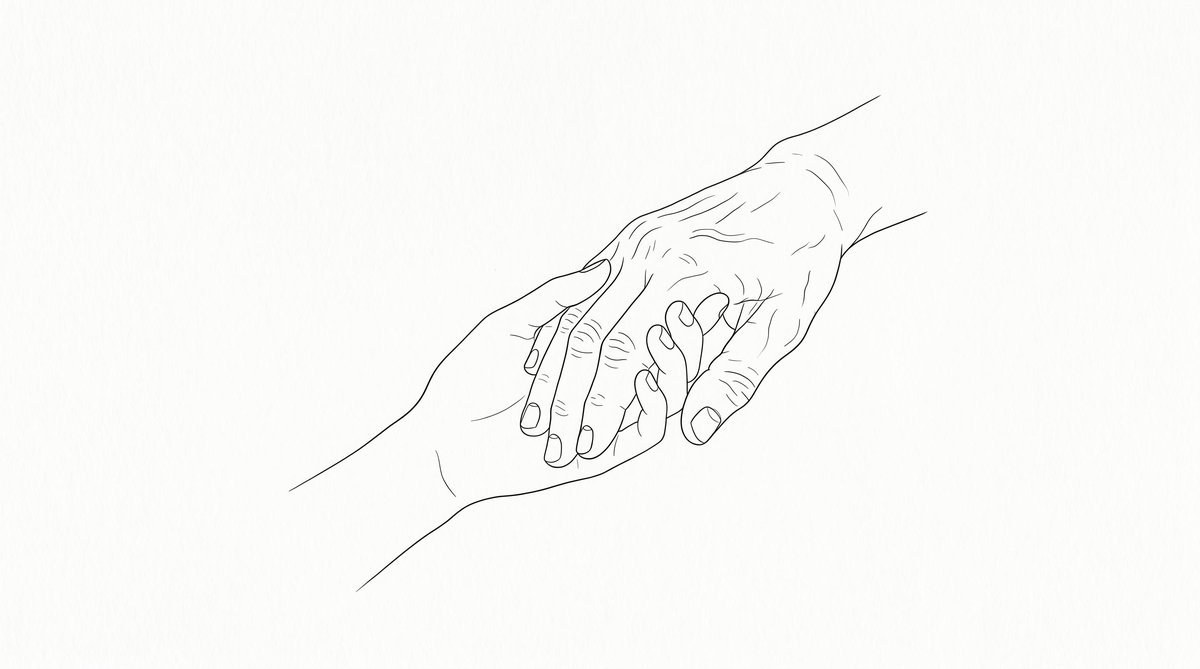
Even when words are not there, being present still matters.
You do not need to fill every silence. Quiet, familiar presence can be reassuring. Speaking gently, explaining what you are doing, and using the person’s name can help preserve dignity and connection.
Hearing may still be present even when someone appears very sleepy or unresponsive, so it is worth keeping speech kind, calm and respectful.
What can help
- speak gently and simply
- explain care before you do it
- allow pauses and silence
- watch for expression, movement or signs of discomfort
- avoid speaking over the person as if they are not there
- keep conversations around them calm
- use familiar words, names, music or prayers if appropriate
- remember that presence can communicate care
When to make a note. Make a note if the person becomes unable to communicate needs, seems distressed, reacts differently to touch or voice, or if you notice signs that may indicate pain, fear or discomfort.
7. Emotional environment
The environment around the person starts to carry more weight.
A calm, familiar setting can reduce distress in ways that are not always obvious. Noise, tension, arguments, repeated interruptions or disruption can have an effect even when it is not clearly expressed.
This does not mean the room must be silent or perfect. It means the atmosphere should support comfort and dignity.
End-of-life care can bring strong emotions into the room. People may be frightened, grieving, guilty, angry, exhausted or unsure what to do. Keeping the space calm is one way of protecting the person from unnecessary stress.
What can help
- keep voices calm
- reduce unnecessary noise
- limit visitors if the person becomes tired or unsettled
- keep familiar objects nearby
- use soft lighting if helpful
- avoid difficult conversations at the bedside where possible
- ask visitors to respect the person’s comfort
- protect quiet time
When to make a note. Make a note if visitors, noise, tension, interruptions or changes in the room seem to cause distress, agitation, tiredness or discomfort.
8. Medical support
In most cases, end-of-life care involves additional support from medical services.
This may include a GP, district nurses, hospice or palliative care team, community nurses, out-of-hours services, pharmacists, or carers providing personal care.
The form that support takes depends on the situation. What is worth knowing is that you are not expected to manage this alone.
Medication may be used to manage pain, breathing discomfort, sickness, agitation, secretions or other symptoms. In some situations, anticipatory or “just in case” medication may be prescribed so that symptoms can be treated quickly if they arise.
If you do not understand what medication is for, who can give it, or when to call for help, ask. These questions are reasonable.
What can help
- keep contact numbers in one place
- know who to call during the day, evening and overnight
- ask what symptoms to watch for
- ask what medication is for
- ask who is allowed to give medication
- ask what to do if symptoms change quickly
- keep notes of professional visits and advice
- ask for written instructions where possible
When to make a note. Make a note of medication changes, symptoms, professional visits, advice given, phone calls made, and anything that remains unclear.
9. Uncertainty
There is almost always uncertainty around timing.
Changes may happen gradually, or faster than expected. It is not always possible to know what comes next — and that can be one of the harder things to sit with.
Even professionals may not be able to give exact answers. This does not mean they are withholding information. End-of-life changes can be unpredictable.
Uncertainty can make carers feel constantly alert, as though they should be ready for something but do not know what. That pressure is real.
What can help
- ask what changes may happen next
- ask what would need urgent attention
- keep important numbers nearby
- prepare practical things where possible
- accept that timing may remain unclear
- focus on comfort in the present moment
- speak to someone if the waiting feels overwhelming
- take rest when you can, even briefly
When to make a note. Make a note if changes are happening faster, symptoms are harder to manage, or if you have been given advice about what to expect next.
10. Responding in the moment
At this stage, care is less about routine and more about reading what is in front of you.
What someone needs can shift day to day — sometimes hour to hour. Staying present and responding to what is actually happening tends to serve better than planning too far ahead.
This may mean changing position, reducing noise, offering mouth care, calling a nurse, pausing a task, letting the person rest, or simply sitting quietly.
It can feel as if you should be doing more. Sometimes the right thing is smaller than expected: keeping someone comfortable, speaking gently, noticing distress, and asking for help when needed.
What can help
- focus on comfort first
- respond to what is happening now
- avoid forcing routines that no longer fit
- keep care gentle and unhurried
- ask for help if symptoms change
- keep the room calm
- allow quiet moments
- remember that presence is still care
When to make a note. Make a note if needs are changing quickly, routines no longer work, symptoms appear, or you need clearer advice from professionals.
11. Supporting yourself
End-of-life care is demanding — physically and emotionally, often at the same time.
Recognising your own limits matters. Accepting support, where it is available, matters.
You are not expected to carry this alone.
The pressure can be intense: watching for changes, managing medication, speaking to professionals, supporting relatives, making decisions, staying awake, and trying to stay calm. It can be exhausting even when you deeply love the person.
Your needs do not stop mattering because someone else is dying.
What can help
- accept practical help where it is offered
- ask professionals who you can call out of hours
- take short breaks when possible
- eat and drink something yourself
- rest when the person is settled
- speak to someone you trust
- ask for emotional or bereavement support
- tell professionals if you cannot manage safely
When to make a note. Make a note if caring is affecting your sleep, health, safety, ability to cope, or if you feel unable to manage the situation alone.
12. A balanced approach
There is no single right way to approach end-of-life care.
What matters is maintaining comfort, dignity and calm — and responding to what is actually happening in the moment.
Some days may feel peaceful. Others may feel frightening, uncertain or exhausting. You may feel prepared one hour and completely unprepared the next. That is part of how difficult this stage can be.
The aim is not perfection. The aim is presence, comfort, support and knowing when to ask for help.
What can help
- keep comfort as the main priority
- ask professionals to explain what is happening
- keep notes simple
- reduce unnecessary pressure
- protect the person’s dignity
- accept uncertainty where it cannot be removed
- seek help before crisis point where possible
- remember that being there matters
When to make a note. Make a note if comfort, dignity, symptoms, communication, family pressure, professional support or your own ability to cope becomes difficult to manage.
13. What comes next
End-of-life care often connects with:
Each provides context and support for what you’re navigating.